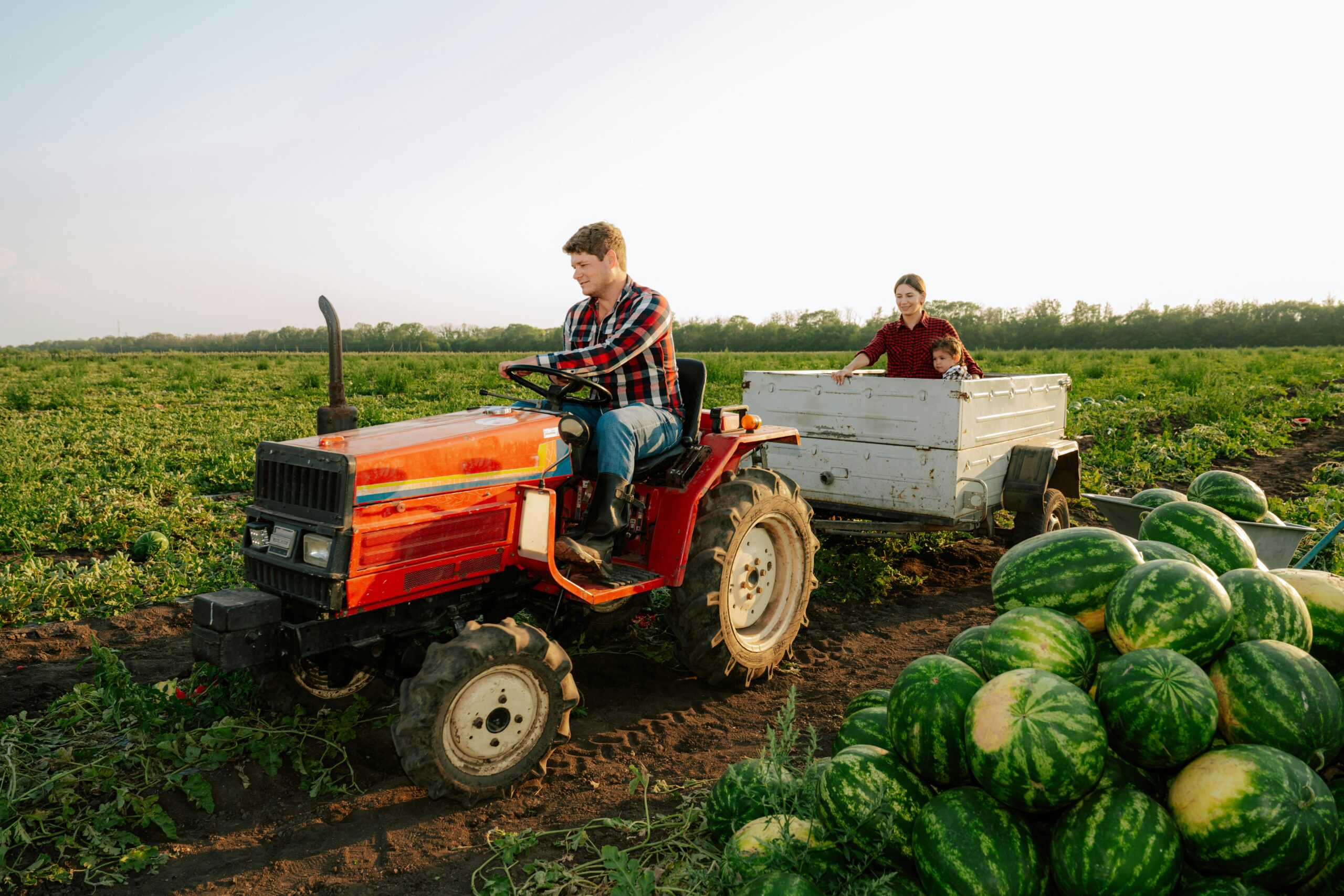
Local farms play a much bigger role in our food system than many people realize. While large agricultural operations often take the spotlight, small and mid-sized farms quietly shape the way communities grow, eat, and connect. As more people look for fresh food and transparent supply chains, the importance of these farms continues to grow. This shift helps build a stronger food culture and supports a more sustainable approach to feeding the global population. When we understand how food travels from soil to supper, we gain a clearer view of how vital local farms are to our everyday lives.
The Roots of Local Farming
Local farming begins with a simple idea. Farmers grow food close to the people who eat it. Although this seems straightforward, it requires skill, planning, and constant care. Farmers must monitor soil health, select appropriate crops, and adapt to weather changes. While these challenges can be unpredictable, they encourage innovation and resilience. As farmers learn to work with the land rather than against it, they build systems that nourish healthy communities.
Moreover, local farms often use techniques that protect long-term soil health. Many depend on crop rotation, composting, and minimal chemical use. These techniques help maintain nutrients and reduce erosion. This careful balance supports both the environment and the community. When soil stays healthy, farms can continue producing fresh food year after year. Furthermore, these practices inspire others to think more responsibly about the origins of their meals.
Strengthening Community Connections
When people buy from local farms, they do more than fill grocery baskets. They support neighbors, families, and entire networks of small businesses. Farmers’ markets, community-supported agriculture programs, and local co-ops give residents direct access to fresh products. These groups also create shared experiences that bring people together. As shoppers meet the farmers who grow their food, they often build trust and appreciation for the work that goes into every crop.
In addition, local farms help create stronger local economies. Money spent close to home stays within the community. When farmers earn stable incomes, they can invest in equipment, hire workers, and expand operations. As these businesses grow, they create a ripple effect that benefits everyone. This cycle of support helps keep rural communities alive and thriving.
Reducing Environmental Impacts
Shorter travel distances mean less fuel, fewer emissions, and a smaller environmental footprint. When food travels only a few miles rather than thousands, the entire supply chain becomes more efficient. This shift not only helps the planet, but it also encourages smarter resource use. While large supply chains depend heavily on transportation, local farms operate on simpler systems that are easier to manage.
Additionally, many local farms focus on sustainable growing practices. They often prioritize seasonal crops, natural fertilizers, and water conservation. These choices reduce harmful runoff and limit damage to ecosystems. When farms adopt environmentally friendly methods, they set a strong example for other food producers. Their efforts show that it is possible to meet demand without straining natural resources.
Supporting Health and Nutrition
Fresh food often tastes better and usually contains more nutrients. When produce is harvested at its peak and sold quickly, it retains vitamins and minerals that might otherwise fade during long transport. As people seek healthier lifestyles, they appreciate the quality and flavor of local farms. While this preference continues to grow, it also influences larger food trends in restaurants and grocery stores.
Moreover, local farms help people reconnect with whole foods. When families cook with fresh ingredients, they often develop healthier eating habits. This shift can lead to long-term benefits for both children and adults. As communities learn more about the value of fresh produce, they become more aware of how to support balanced diets. In turn, this knowledge promotes well-being across neighborhoods.
Innovation in Local Agriculture
Local farms are not stuck in the past. Many use modern technology to increase efficiency and offer better products. Digital tools help farmers track weather, manage crops, and monitor soil moisture. These tools also provide valuable data that can improve decision-making. As technology becomes more affordable, smaller farms gain access to methods that once were limited to large agricultural companies.
Furthermore, innovation encourages creativity. Some farms experiment with hydroponics, vertical growing, or climate-controlled greenhouses. These techniques help farmers grow food year-round, even in regions with harsh weather. When farms embrace new ideas, they expand the range of crops available to local communities. This variety helps reduce dependence on imported produce and strengthens the overall food system.
Building Global Impact Through Local Action
Local farms may serve nearby communities, yet their influence reaches far beyond state lines. When communities learn to value local food, they help support a global movement toward responsible agriculture. Although these farms operate on a smaller scale, their sustainable methods inspire other farmers worldwide. Their choices show that meaningful changes begin one crop at a time.
In addition, local farms often share their knowledge with global organizations that promote sustainable agriculture. While these collaborations continue to grow, they help create tools and strategies that benefit farmers in different countries. As ideas spread from field to field, they help shape a future in which food production is more balanced and less wasteful.
The Future of Local Farming
Looking ahead, local farms will continue to play a crucial role in feeding communities. As climate concerns rise and supply chains shift, people will rely more on regional food sources. This change will encourage farms to invest in resilient systems that can adapt to new conditions. Although challenges remain, farmers are finding creative ways to overcome them.
Moreover, young farmers are entering the field with new perspectives. They bring ideas about technology, marketing, and sustainability that help modernize traditional farming. Their involvement shows that local agriculture is not only a tradition but also a growing opportunity. When new generations join the effort, local farms can continue supporting families for years to come.
A Worldwide Table Built on Local Efforts
Even though we often imagine global agriculture as a system driven by massive operations, the truth is that small farms help feed the world. Their dedication keeps communities nourished and cultures connected. When we support these farms, we invest in a future that values fresh food, healthy land, and strong relationships. As you enjoy your next meal, consider how many hands helped bring it from soil to supper. That simple awareness can spark lasting appreciation for the farms that quietly sustain us all.