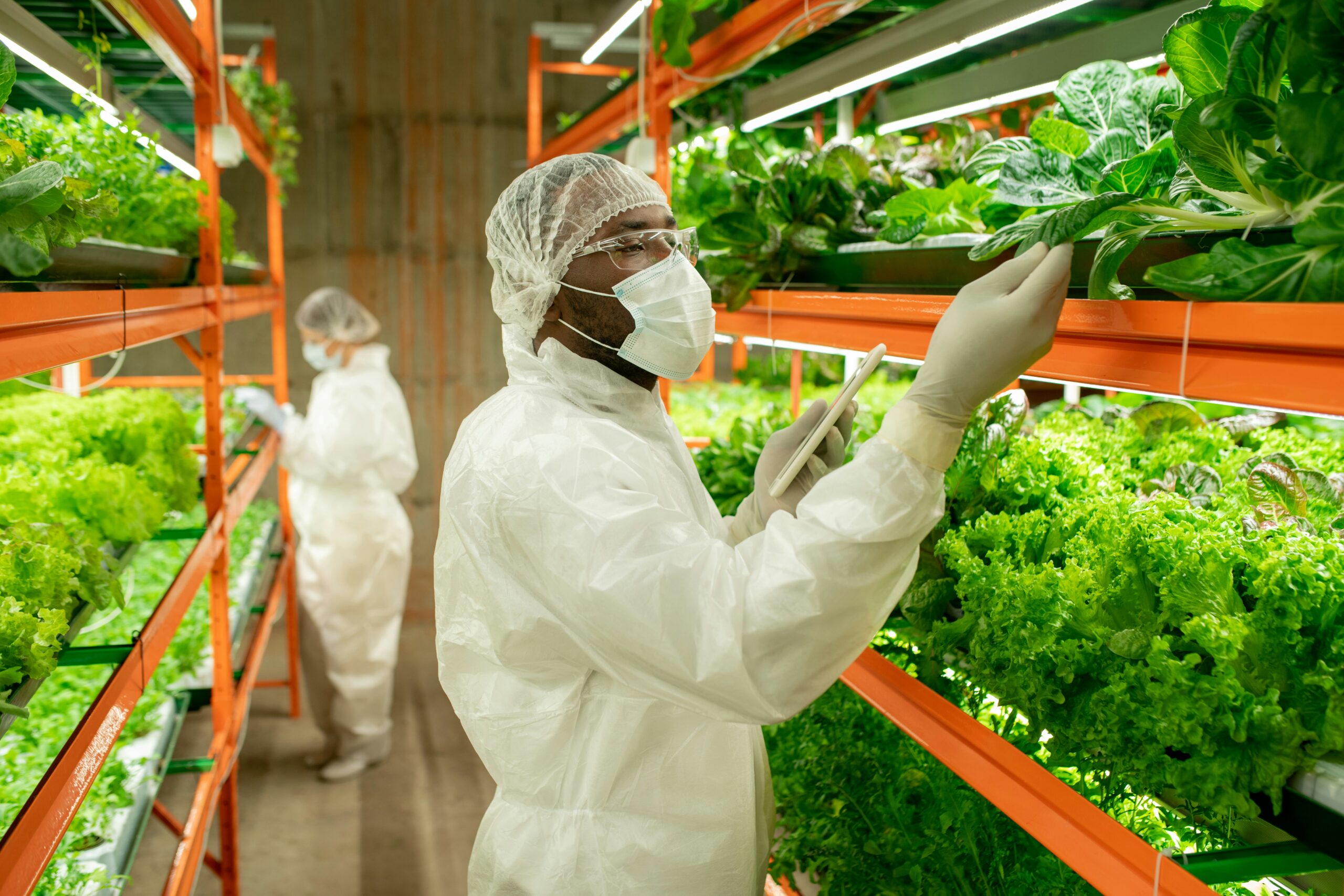
Farming and global food security remain deeply connected in every region of the world. As populations grow and climates change, agriculture continues to serve as the foundation that supports human survival, economic stability, and social well-being. Without strong farming systems, global food security would weaken rapidly, leaving millions vulnerable to hunger and malnutrition. Because of this, farming must stay at the center of international development efforts.
Today, the importance of farming in global food security reaches far beyond food production alone. Farming supports livelihoods, stabilizes rural communities, and strengthens national economies. Moreover, agriculture protects ecosystems when people manage land responsibly. Therefore, understanding how farming sustains global food security helps societies plan for a future where food remains available, affordable, and nutritious for everyone.
Farming as the Backbone of Global Food Supply
Farming provides the primary source of food for people around the world, making it essential to global food security. Farmers grow crops and raise livestock that supply grains, fruits, vegetables, dairy, and protein sources. Because food demand rises every year, farming systems must continue to adapt and expand. When farmers succeed, communities gain reliable access to food, which supports health and stability.
At the same time, farming connects food systems across borders. Crops grown in one region often feed people in another, which strengthens global food security through trade. However, this connection also means that disruptions in farming can affect food availability worldwide. Therefore, investing in resilient farming practices helps protect the global food supply from shortages and price spikes.
The Role of Small-Scale Farmers in Food Security
Small-scale farmers play a critical role in maintaining global food security, especially in developing regions. These farmers produce a large share of the world’s food while supporting local markets. Because they work close to their communities, they often grow diverse crops that improve nutrition and food access. As a result, small-scale farming strengthens both food security and dietary quality.
In addition, small farmers preserve traditional knowledge that supports sustainable farming methods. They often rely on crop rotation, mixed farming, and natural soil care. These practices improve long-term productivity while protecting the environment. Therefore, supporting small-scale farmers remains vital for safeguarding global food security and promoting resilient food systems.
Farming and Economic Stability Worldwide
Farming supports economic stability by employing millions of people worldwide. In many countries, agriculture remains the largest source of income for rural populations. When farming thrives, families earn steady incomes, which reduces poverty and hunger. This economic stability directly strengthens global food security by increasing people’s ability to buy food.
Moreover, farming drives economic growth through related industries such as food processing, transportation, and retail. These sectors depend on consistent agricultural output. Because of this connection, strong farming systems help stabilize national economies. As economies grow stronger, governments can invest more in food security programs and infrastructure.
Sustainable Farming and Environmental Protection
Sustainable farming plays a significant role in protecting global food security for future generations. Farmers who use sustainable practices preserve soil health, conserve water, and reduce pollution. These actions help maintain land productivity over time. Because healthy land produces reliable harvests, sustainability directly supports long-term food security.
At the same time, sustainable farming reduces the impact of climate change on agriculture. Practices such as soil conservation and diversified cropping improve resilience to droughts and floods. Therefore, sustainable agriculture not only protects the environment but also ensures stable food production. This balance remains essential for global food security.
Climate Change and Its Impact on Farming
Climate change presents serious challenges to farming and global food security. Rising temperatures, unpredictable weather, and extreme events affect crop yields and livestock health. Farmers must adapt quickly to these changes to protect food production. When farming systems struggle, food shortages and higher prices often follow.
However, farmers continue to find solutions through innovation and adaptation. Climate-smart farming techniques help reduce risks and improve productivity. These methods allow farmers to adjust planting times, manage water efficiently, and protect crops. As a result, adapting farming practices strengthens global food security despite changing environmental conditions.
Technology and Innovation in Modern Farming
Technology continues to transform farming and improve global food security. Modern tools help farmers increase efficiency, reduce waste, and boost yields. Precision agriculture allows farmers to use water, fertilizers, and energy more effectively. As a result, technology supports sustainable food production on a large scale.
In addition, digital tools help farmers access markets, weather data, and training. These resources improve decision-making and reduce losses. As technology spreads, farming becomes more productive and resilient. Therefore, innovation remains a powerful driver of global food security in the modern world.
Farming, Nutrition, and Public Health
Farming directly influences nutrition and public health by shaping the quality of food people consume. Diverse farming systems produce a wide range of nutritious foods, including fruits, vegetables, and whole grains. When people access balanced diets, they experience better health outcomes. Therefore, farming plays a key role in preventing malnutrition and disease.
Furthermore, farming affects food safety through production methods and handling practices. Farmers who follow safe standards help reduce contamination risks. This protection strengthens trust in food systems. As a result, farming supports both nutrition and food safety, which are essential components of global food security.
Policy Support and Global Cooperation in Farming
Government policies strongly influence the success of farming and global food security. Policies that support farmers with training, infrastructure, and fair markets help stabilize food production. When governments invest in agriculture, they protect national food supplies and rural livelihoods. This support strengthens resilience during economic or environmental crises.
Global cooperation also plays a critical role in farming and food security. Countries share research, technology, and resources to address shared challenges. Through collaboration, nations improve food systems worldwide. Therefore, policy support and cooperation remain essential for sustaining global food security.
The Future of Farming and Global Food Security
The future of global food security depends heavily on how societies support farming today. Population growth will continue to increase food demand, which places pressure on agricultural systems. Farmers must produce more food while protecting natural resources. Because of this challenge, innovation and sustainability must guide future farming efforts.
At the same time, education and investment will shape the success of farming. Training the next generation of farmers ensures knowledge transfer and skill development. When societies value farming, they protect long-term food security. Therefore, the importance of agriculture in global food security will only grow stronger in the years ahead.